The debtor either has substantial equity in their house (generally a minimum of 50% of the residential or commercial property's value) or has paid it off entirely. The borrower chooses they require the liquidity that includes eliminating equity from their home, so they deal with a reverse home loan therapist to find a loan provider and a program.
The lender does a credit check, reviews the borrower's residential or commercial property, its title and assessed value. If approved, the loan provider funds the loan, with earnings structured as either a swelling amount, a credit line or regular annuity payments (monthly, quarterly or every year, for example), depending on what the customer picks.
Some loans have limitations on how the funds can be used (such as for improvements or restorations), while others are unrestricted. These loans last till the borrower passes away or moves, at which time they (or their heirs) can repay the loan, or the residential or commercial property can be offered to repay the lender.
In order to qualify for a government-sponsored reverse home mortgage, the youngest owner of a house being mortgaged need to be at least 62 years old. Customers can just obtain versus their main house and must also either own their property outright or have at least 50% equity with, at the majority of, one primary lienin other words, debtors can't have a second lien from something like a HELOC or a second home mortgage.
Normally only certain kinds of properties get approved for government-backed reverse mortgages. Eligible homes consist of: Single-family houses Multi-unit homes with as much as four systems Produced houses developed after June 1976 Condos or townhomes When it comes to government-sponsored reverse home mortgages, customers also are required to endure a details session with an authorized reverse mortgage therapist.
Personal reverse home loans have their own credentials requirements that vary by lender and loan program. If you get an exclusive reverse home mortgage, there are no set limitations on just how much you can borrow. All limits and limitations are set by private lending institutions. Nevertheless, when using a government-backed reverse home loan program, house owners are forbidden from borrowing approximately their home's evaluated value or the FHA maximum claim quantity ($ 765,600).
Part of the home's value is utilized to collateralize loan costs, and loan providers likewise normally insist on a buffer in case residential or commercial property values decrease. Borrowing limitations likewise change based on the debtor's age and credit and also the loan's rate of interest. There are two main costs for government-backed reverse mortgages: These may be fixed if you take a lump sum (with rates starting under 3.5% a rate similar to standard home loans and much lower than other home equity loan products).
The Of How Many Mortgages In The Us
Federally backed reverse home loans have a 2% upfront home loan insurance coverage premium and yearly premiums of 0.5%. Home loan insurance is meant to safeguard loan providers in case of debtor default. While reverse mortgages can't generally default in the very same methods as traditional mortgageswhen borrowers fail to make paymentsthey can still default when owners stop working to pay real estate tax or insurance coverage or by stopping working to appropriately maintain their homes.
Lenders likewise usually charge other costs, consisting of for property appraisals, servicing/administering loans and other closing expenses, such as credit check fees. However, all expenses are normally rolled into the balance of the home loan, so lending institutions don't need to pay them out of pocket. A lot of reverse home loans are government-insured loans. Like other federal government loans, like USDA or FHA loans, these items have rules that conventional home loans do not have, because they're government-insured.
There are also private reverse home mortgages, which do not have the very same strict eligibility requirements or lending standards. Single-purpose loans are typically the least costly type of reverse home loan. These loans are supplied by nonprofits and state and local federal governments for particular purposes, which are determined by the loan provider. Loans might be offered things like repair work or enhancements.
Home equity conversion mortgages (HECMs) are backed by the U.S. Department of Housing and Urban Development and can be more expensive than conventional home mortgages. Nevertheless, loan funds can be used for simply about anything. Debtors can select to get their money in several different methods, including a lump sum, repaired regular monthly payments, a line of credit or a mix of regular payments and line of credit.
Lenders set their own eligibility requirements, rates, costs, terms and underwriting procedure. While these loans can be the most convenient to get and the fastest to fund, they're likewise known to bring in dishonest experts who utilize reverse mortgages as an opportunity to rip-off unwary senior citizens out of their residential or commercial property's equity. Reverse home mortgages aren't helpful for everyone.
A reverse mortgage might make sense for: Senior citizens who are coming across significant expenses late in life People who have diminished the majority of their savings and have substantial equity in their main homes People who do not have heirs who care to inherit their home While there are some cases where reverse mortgages can be useful, there are lots of factors to avoid them (what is the current interest rate for commercial mortgages).
In truth, if you believe you might plan to repay your loan in complete, then you may be better off preventing reverse home mortgages completely. Nevertheless, usually speaking, reverse home loans should be paid back when the debtor dies, moves, cancel siriusxm radio or sells their house. At that time, the borrowers (or their heirs) can either repay the loan and keep the property or sell the home and utilize the proceeds to pay back the loan, with the sellers keeping any earnings that stay after the loan is paid back.
The Buzz on What Is One Difference Between Fixed–rate Mortgages And Variable–rate Mortgages?
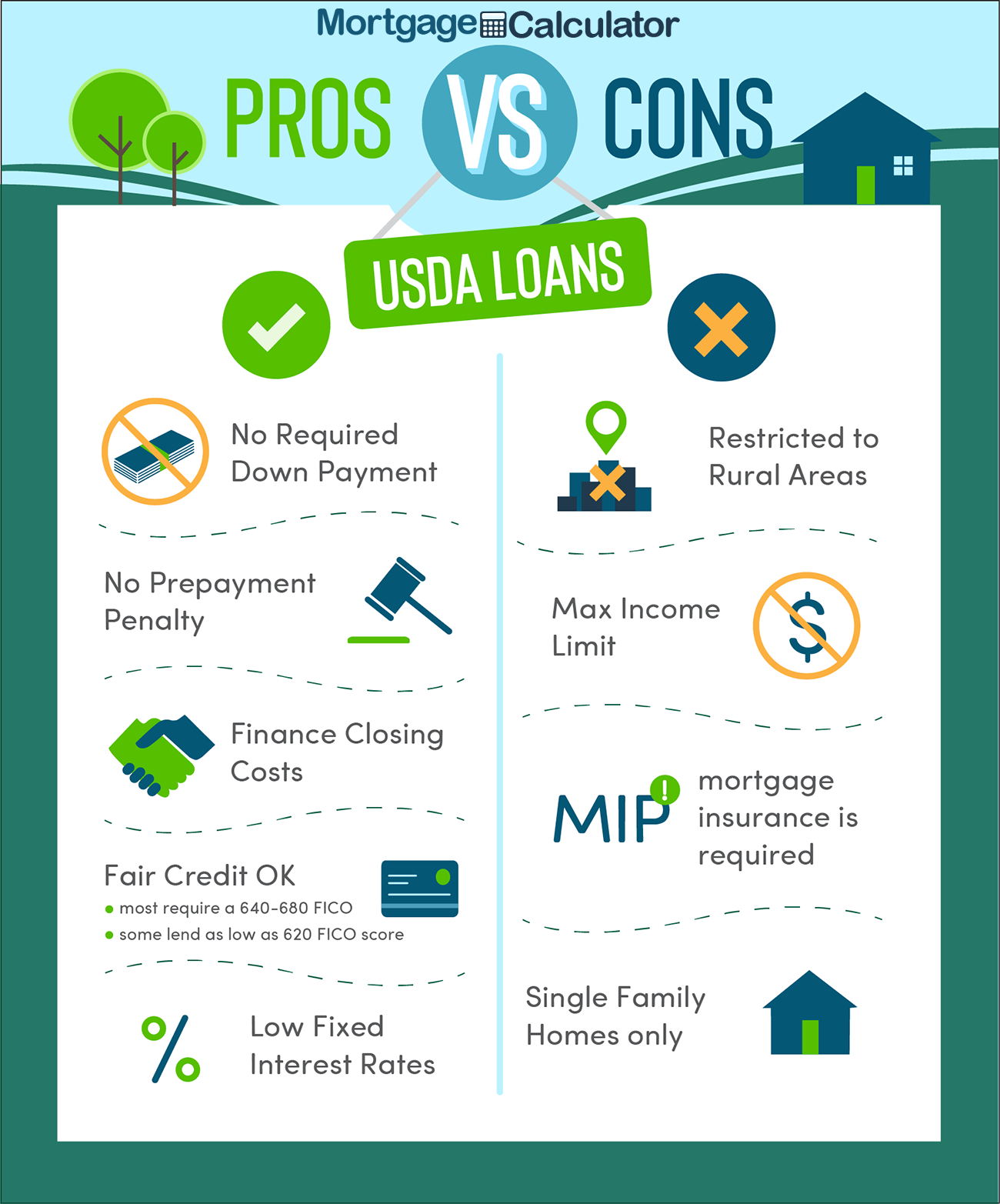
However a number of the ads that customers see are for david lamberth reverse home mortgages from private companies (what credit score do banks use for mortgages). When working with a private lenderor even a personal business that claims to broker federal government loansit's crucial for borrowers to be mindful. Here are some things to watch out for, according to the FBI: Don't react to unsolicited mailers or other ads Don't sign files if you don't understand themconsider having them examined by an attorney Don't accept payment for a home you do not own Watch out for anyone who states you can get free ride (i.e., no down payment) In a lot of cases, these frauds get unwitting property owners to get reverse home mortgages and give the money to the scammer.
Reverse mortgages aren't for everybody. In most cases, prospective borrowers may not even qualify, for instance, if they aren't over 62 or do not have substantial equity in their houses. If a reverse mortgage isn't right for you, there are plenty of other routes you can go to get the funding you need.
A reverse home mortgage is a home loan that you do not need to repay for as long as you live in your home. It can be paid to you in one lump amount, as a routine month-to-month income, or at the times and in the quantities you desire. The loan and interest are repaid just when you sell your house, completely move away, or die.
They are repaid in complete when the last living customer passes away, offers the home, or completely moves away. Due to the fact that you make no monthly marty anderson attorney payments, the amount you owe grows larger gradually. By law, you can never ever owe more than your house's worth at the time the loan is repaid.